The last rigs have pulled out, the leaves are down, and the phone has finally gone quiet. For most campground and RV park owners, closing for winter is a two-part job: protecting the park from freezing temperatures, and setting up next season so bookings keep coming in while the gate is shut.
Here’s a practical checklist for closing a campground for winter, written for owner-operators who do most of the work themselves. Every park is different, so adapt it to your climate, your buildings and your local codes.
First decide: close fully or stay partially open
Some parks stay open all year with a few winterized sites on shore power. Others close completely for the winter season. If you’ll stay partially open, pick the sites closest to a heated water source, protect those lines with heat tape and insulation, and keep the rest of the campground or RV park shut down. Either way, the steps below apply to everything you close.
1. Water systems and hookups
Winterizing the plumbing system is the most important job. Water is where winter damage costs the most. A single frozen line can mean a cracked pipe, a flooded bathhouse and a spring repair bill.
- Shut off the main and label every valve. Tag what each valve feeds so whoever opens the park in spring isn’t guessing.
- Drain and blow out the lines. Open the low-point drains, then blow out water lines to each site with compressed air so no water sits in the pipes.
- Protect the hookups. Open site faucets and hydrants, drain them, and cover or insulate the ones that can’t be fully drained.
- Use RV antifreeze in traps. Pour non-toxic RV antifreeze into sink and shower traps, floor drains and toilets in the bathhouse and any cabins.
- Drain the water heaters, water tank and pressure tanks, and shut off their power or gas first.
- Check the sewer and dump station. Flush lines, cap the connections at each site and close the dump station for the season.
2. Buildings, bathhouses and cabins
- Deep clean the bathhouse, laundry, office and camp store before you close them up. It’s much easier now than in April.
- Empty refrigerators and coolers, prop the doors open, and clear out any food that could draw pests.
- Check roofs, gutters and windows and doors for leaks or gaps before snow and ice make them worse.
- Turn down the heat in any building you keep warm, and keep enough heat to prevent freezing where the plumbing stays live.
- Take photos of each building as you close it. They help with insurance and with your spring opening list.
3. Electrical pedestals and propane
Safety comes first here. Follow your local codes and use a licensed electrician or propane professional for anything beyond basic shut-off.
- Turn off breakers to site pedestals you won’t use over the winter, and close and latch the pedestal covers.
- Note any damaged pedestals, outlets or wiring so they can be repaired before opening day.
- Shut off propane to buildings and equipment you’re closing, and have tanks and lines inspected.
- Test smoke and carbon monoxide detectors in any building that stays heated.
4. Equipment, golf carts and mowers
- Add fuel stabilizer, or run small engines dry, before storing mowers, trimmers and the tractor.
- Charge golf cart batteries and keep them on a maintainer, or follow the maker’s storage instructions.
- Store picnic tables, fire ring grates, kayaks and rental gear under cover.
- Make a list of equipment that needs service, and book it now while repair shops are less busy.
5. Signage, site markers and the grounds
- Walk every site. Note worn site numbers, broken posts and pads that need gravel.
- Put up “Closed for the season” signs at the entrance, with your website so people know where to book next year.
- Clear drains and culverts so snowmelt has somewhere to go.
- Trim branches that could fall on buildings or sites in a winter storm.
6. Seasonal campers who leave rigs on site
If seasonal campers store their RVs at your park over the winter, put the rules in writing and send them before closing day. Cover water and power shut-off dates, whether rigs must be winterized and skirted, propane rules, who can access the park and when, and who to contact if there’s a problem. Clear rules now save awkward conversations in March.
7. Pests, moisture and security checks
- Seal gaps where mice can get into buildings, and set traps in storage areas.
- Run a dehumidifier or leave vents open where moisture builds up, to avoid mold over the off-season.
- Lock gates and buildings, and check that outdoor lights and any cameras still work.
- Schedule regular check-ins on the park, especially after storms, heavy snow or a hard freeze.
8. The business side: set up next season
The park is closed, but the business doesn’t have to be. Winter is when many campers plan their summer trips, and the owners who are easy to book get those reservations first.
- Close out the season’s bookings. Reconcile payments, note no-shows and settle any open balances.
- Thank your guests. Send a thank-you to everyone who stayed this year, with an offer to book again for next season.
- Open next season’s calendar online. If guests can book online, reservations can come in all winter, even while nobody is answering the office phone.
- Update rates and site details. Set next year’s rates, update site descriptions and hookup types, and refresh your photos while the changes are fresh in your mind.
- Set up or switch software while it’s quiet. The off-season is the easiest time to change how you take bookings.
Camp Manager puts online booking, the front desk, payments and guest follow-up in one place, and we load your sites, rates and map with you. Setup takes about two weeks, estimated, depending on your property. Right now it’s 90 days free, with $10 a month in communication credits included.
See next season’s booking page before you open
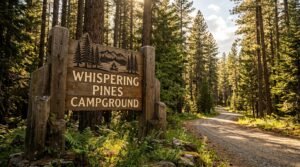
Want to see what guests would see? Our live demo is Whispering Pines, a sample campground with sample data. Pick dates, switch to the map and book a site the way a camper would.
Planning for a fuller spring and fall too? Read How to Increase Campground Occupancy in the Shoulder Season.
Ready to set things up before spring? Book a 30-minute walkthrough, or tap More Info to ask a question.