July takes care of itself. The phone rings, the full hookup sites fill, and you’re turning campers away by the Fourth. Then September comes, the kids go back to school, and your campground goes quiet on a Tuesday night. The shoulder seasons, spring and fall, are where most small parks have the most empty sites and the most room to grow.
If you’re a campground owner wondering how to increase campground occupancy outside peak season, the good news is that most of what works doesn’t cost much. It’s about making booking easy, giving campers a reason to come midweek, and staying in touch with the people who already love your park.
Know your occupancy rate first
Before you change anything, look at where the empty sites are. Your occupancy rate is simply the nights you sold divided by the nights you had available. Break it down by month, by weekday versus weekend, and by site type. Most parks find the gaps aren’t spread evenly: weekends in October may be fine while Sunday through Thursday sits empty, or the tent sites fill while the big pull-throughs don’t.
Once you know which nights and which campsites are empty, every idea below can be aimed at those gaps instead of at the whole season.
Make booking easy, day and night
Shoulder-season campers often decide late. They check the weather on Wednesday and look for a site for Friday. If the only way to book is to call during office hours, many of them will book somewhere else before you call back.
- Take reservations online, 24/7. Let potential campers see live availability and book a site at 10 p.m. without waiting for a call back.
- Make it work on a phone. Most camping reservations start on a phone. Dates, site type, site, pay: a few taps, no account to create first.
- Keep one calendar. When online and front desk bookings share the same live availability, you avoid the double booking that turns a good review into a bad one.
- Show the site map. In the shoulder season, quiet is the selling point. A site map lets campers pick the spot by the water or away from the road, and see that the park has room.
Use shoulder-season pricing and packages
You don’t need complicated dynamic pricing software to price based on demand. Start simple:
- Midweek rates. A lower Sunday through Thursday rate gives retirees, remote workers and RVers on the move a reason to stay longer.
- Stay-longer offers. “Stay three nights, the fourth is on us” fills the nights around a weekend and encourages longer stays.
- Bundles. Consider bundling a site with firewood, a s’mores kit or a camp store credit. A package feels like a getaway, not just a discount.
- Peak season, too. Raising prices a little on your busiest summer weekends can help fund the shoulder-season specials. Guests booking the Fourth are usually willing to pay for the date.
Give campers a reason to come
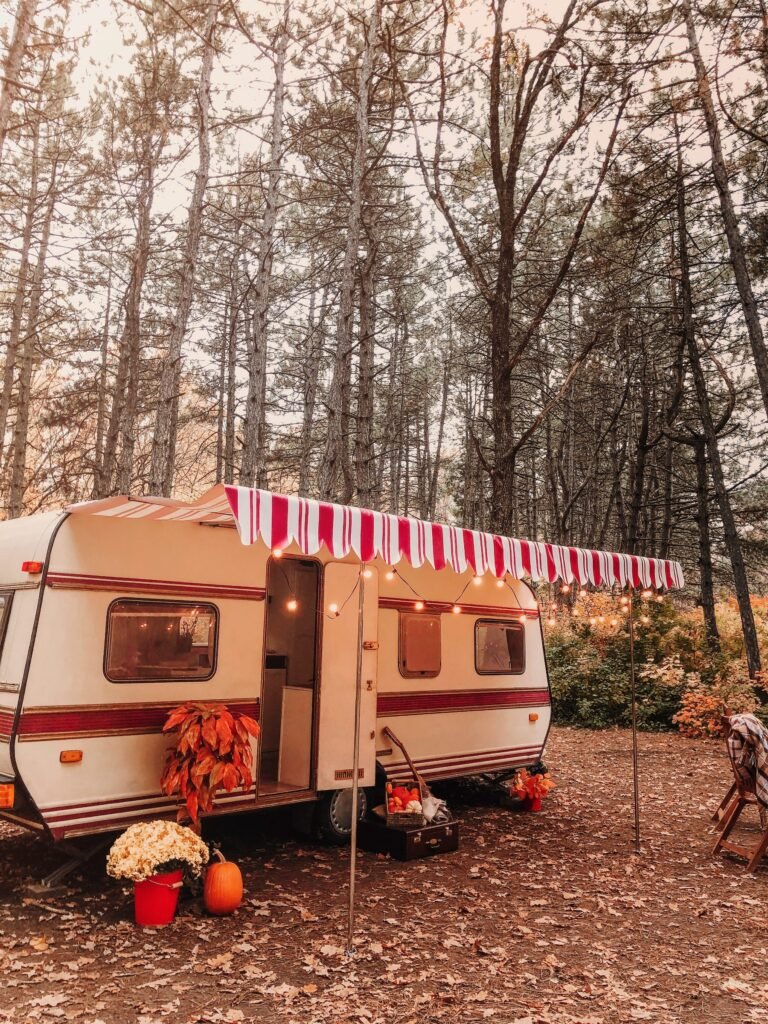
Fewer crowds, cooler nights and fall color are real attractions. Tell people about them, and add events that turn a quiet weekend into a plan:
- A fall harvest weekend, a chili cook-off or a pumpkin-carving night for families
- Food trucks or a local brewery pop-up on a Saturday
- Guided hikes, fishing weekends or a stargazing night
- Holiday events, like trick-or-treating site to site in October
Events also give you something to post and email about, which keeps your campground in front of potential guests.
Partner with local businesses
Your park is part of a bigger trip. Partnering with local businesses and tourist attractions brings campers who might not have found you otherwise. Partner with local restaurants, wineries, outfitters, golf courses and event venues to offer a small perk for guests, and ask them to point their visitors to you in return. A wedding venue or a race nearby can fill a whole loop of sites if they know you exist.
Bring past guests back
The easiest camper to book is the one who already stayed with you. They know the park, they liked it, and they’re likely to come again if you ask at the right time.
- Send a thank-you after each stay, with an invitation back for the fall.
- Email or text past guests special offers for midweek and shoulder-season dates.
- Remind last year’s October campers about this October before the dates fill.
Camp Manager can send automated follow-ups and past-guest offers, so this happens without you remembering to write each one.
Go after groups and reunions
One group booking can fill a dozen sites on a weekend that would otherwise be empty. Family reunions, RV clubs, scout troops, church groups and car clubs often plan for spring and fall because prices are lower and the park is quieter. Make it easy to ask: a group inquiry form, a quick reply with dates and a quote, and a follow-up so nothing slips. If you can block two sites or ten side by side, say so.
Monthly and seasonal stays
Longer stays are a steady revenue stream in the off-season. Snowbirds, traveling nurses, contractors working nearby and remote workers all look for monthly sites with electric hookups, sewer and reliable Wi-Fi. If you have sites that sit empty for weeks at a time, offer a monthly rate. How you handle billing for long stays is something we cover in the walkthrough.
Work on your online presence
Campers can’t book a park they can’t find. A few basics go a long way with search engines and potential campers:
- Keep your Google Business Profile up to date with shoulder-season hours, photos and a link to book.
- Use high-quality photos of fall and spring at the park, not just July.
- Ask happy guests for reviews. Positive reviews help people choose you over public campgrounds and state parks nearby.
- Put your booking link on your website, social pages and every email you send.
Some parks also list sites on online travel agencies (OTAs) to reach more people. Weigh the fees against booking direct on your own site, where the guest relationship stays with you.
Plan it before the season starts
Shoulder-season occupancy is mostly won in the months before. While the park is quiet, set your midweek rates, pick two or three events, line up a local partner and plan your past-guest emails. If you’re closing for winter, our guide on how to close a campground for winter covers what to set up while things are slow.
See how it looks for campers
Our live demo is Whispering Pines, a sample campground with sample data. Pick dates, filter by site type and use the map to choose a site the way your campers would.
Camp Manager puts online booking, the front desk, payments and guest follow-up in one place. Right now it’s 90 days free, with $10 a month in communication credits included. Want to talk through your slow season? Book a 30-minute walkthrough, or tap More Info to ask a question.